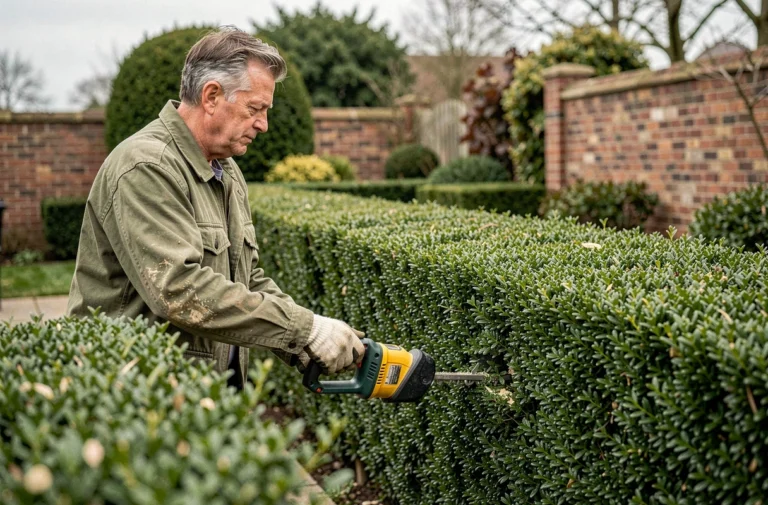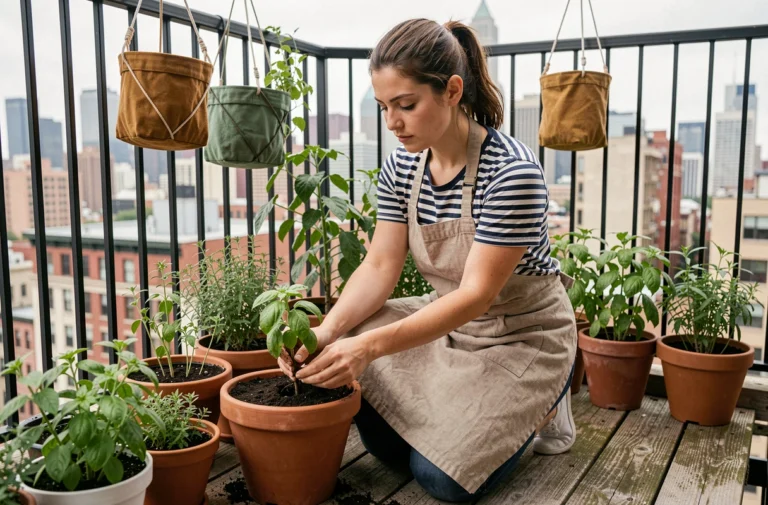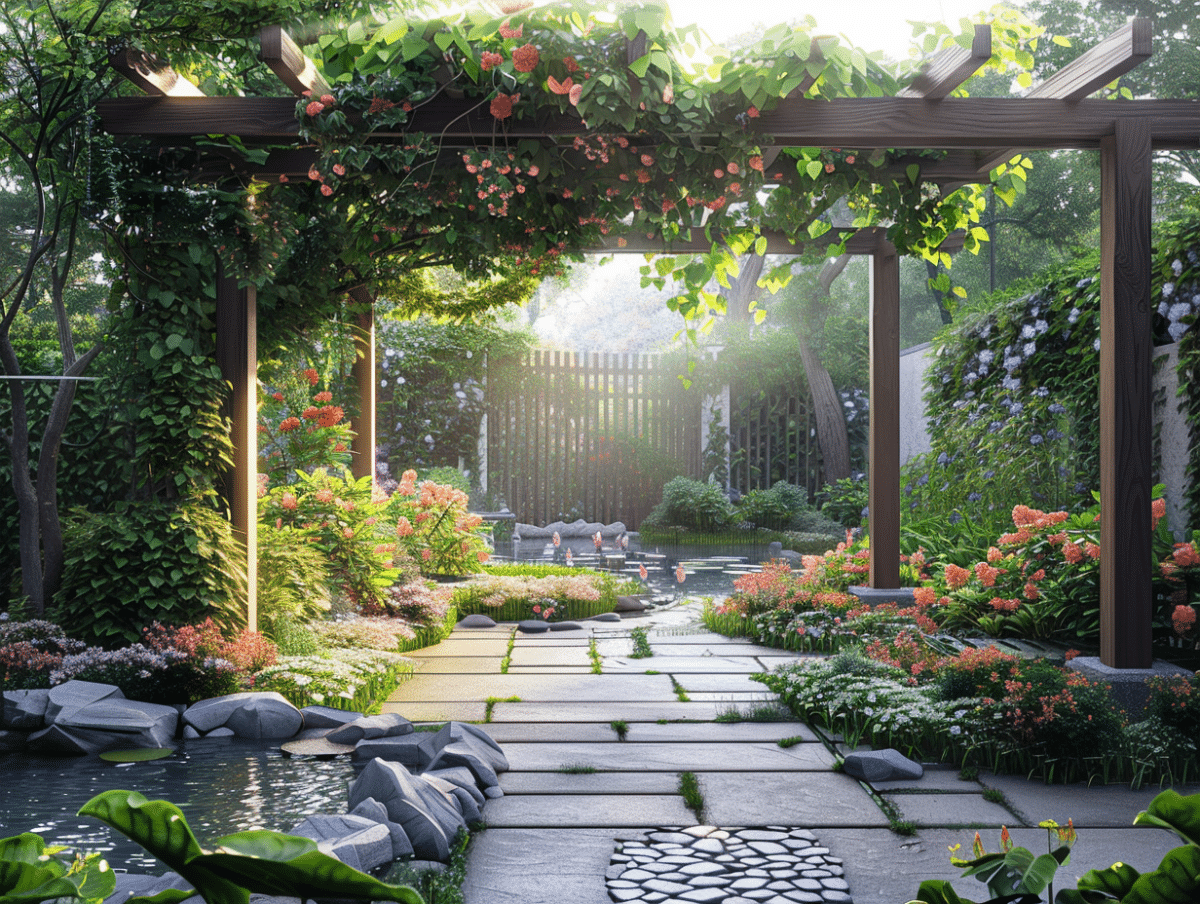
In the quest for a personal haven of peace, many seek to beautify their gardens. When the immediate environment is far from idyllic, whether due to industrial buildings, poorly maintained neighboring properties, or a view of a busy road, transforming this outdoor space into an attractive retreat can prove to be a challenge. Fortunately, with a bit of creativity and well-thought-out strategies, it is possible to metamorphose an ordinary garden into an oasis of beauty, even in the face of a less-than-perfect setting.
Landscaping and Decoration: Transforming an Unattractive Garden
Optimize the available space to enhance each of its aspects, even the most modest ones. The art of garden design lies in the ability to turn constraints into opportunities. Small gardens or those with a steep slope become playgrounds for ingenuity. Smartly utilizing the shape of the garden can lead to creations that are both aesthetically pleasing and functional.
Placing pathways strategically is a fundamental first step in structuring the space. A well-defined main path, flanked by secondary paths, directs the eye and movement while contributing to the visual separation of different living, leisure, and resting areas. Choosing the right plants for the local climate is another essential task: they must not only thrive in their environment but also serve specific functions, such as screening from view or delineating zones.
To address the question of how to hide an unsightly exterior wall from the neighbor, several solutions are available. Elegant screens, combined with climbing plants, can create a natural and lively barrier. The combination of decorative panels with fast-growing plant species allows for the concealment of unsightly spots while adding a touch of greenery.
Acquiring garden furniture is an investment that reflects the purpose of this outdoor space. Tables, comfortable seating, or recreational installations should invite relaxation and social interaction while harmoniously integrating into the plant environment. Creating a terrace as an extension of the house offers a convivial space where furniture can be arranged to fully enjoy the view, away from prying eyes.
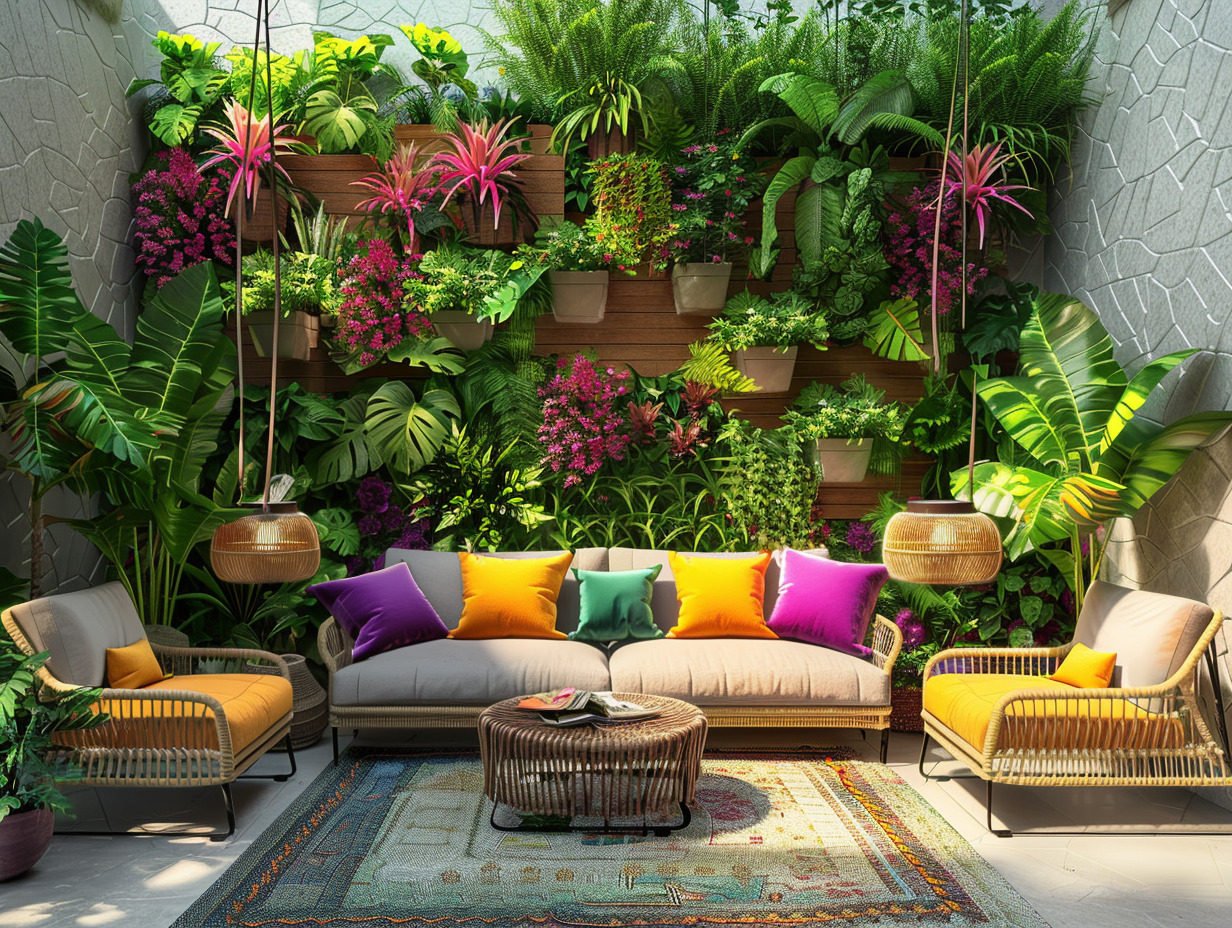
Plant Strategies and Structures: Creating a Haven of Peace
Working with nature is a guiding principle for anyone aspiring to design a calming outdoor space. The circulation in the garden, facilitated by a main path and secondary paths, should invite strolling and exploration. The thoughtful placement of flower beds, vegetable gardens, or lawns serves not only to visually structure the garden but also to provide varied sensory experiences. Consider the rhythm of the seasons so that the spectacle of nature is perpetual, a symphony of colors and scents renewed.
Outdoor living spaces, such as terraces and resting areas, should be conceived as extensions of the home. Ensure they are equipped to provide shade and accommodate garden furniture, thus creating convivial zones where social connections can flourish. A well-designed terrace offers a perfect setting for outdoor meals, while shaded resting areas under pergolas or trellises invite relaxation and contemplation.
Considering the practical aspects of the garden is essential. Integrate irrigation and lighting systems to facilitate maintenance and extend the use of the outdoor space after sunset. Driveable paths, if necessary, should be harmonized with the overall aesthetic of the garden while meeting functional requirements. Each element should converge towards creating an environment where serenity reigns, far from the inconveniences of the outside world.