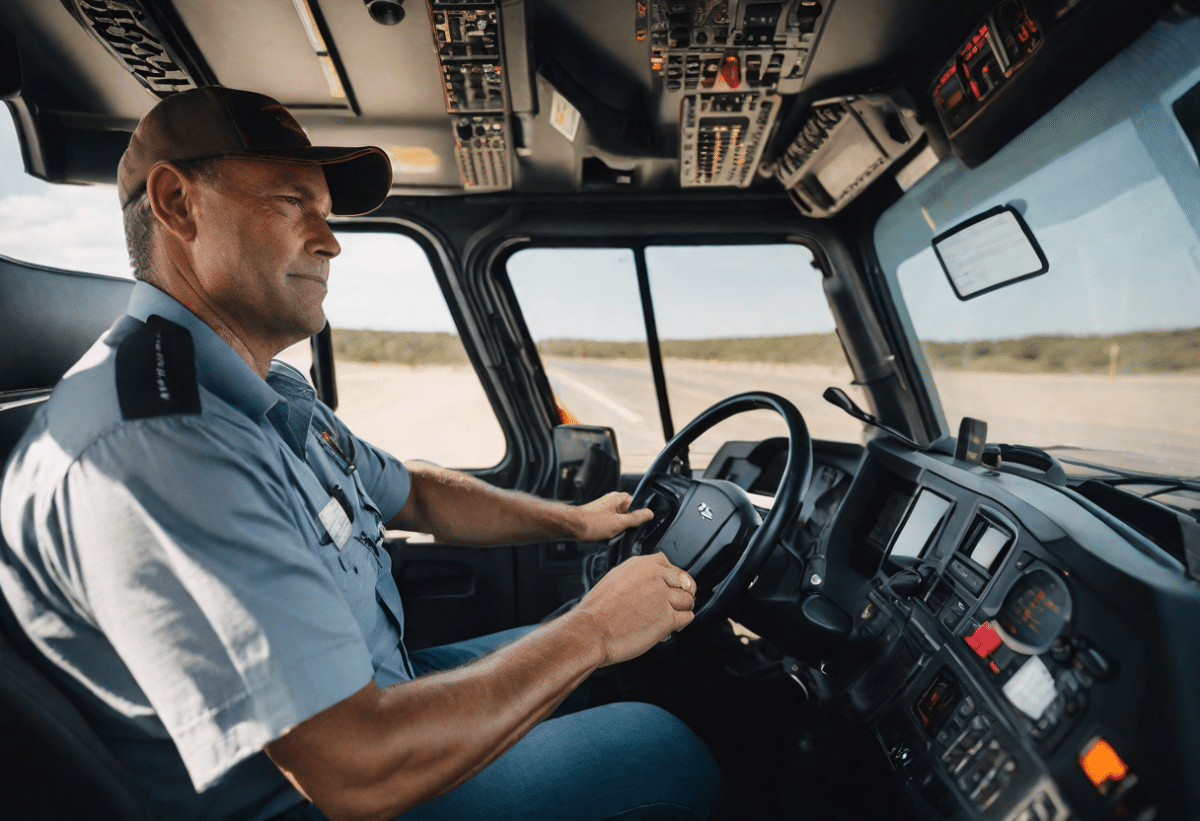
Driving large volume vehicles requires a combination of technical skills and personal qualities. Drivers must hold specific licenses, such as the heavy goods vehicle license, which certify their ability to maneuver large machines. A thorough understanding of traffic rules and an increased sensitivity to road safety are imperative for these drivers. Mastery of space management and the ability to perform complex maneuvers are essential to avoid accidents and damage. Good physical condition and constant vigilance are required to manage long driving periods and the loading or unloading of goods.
The skills and qualifications necessary to drive a large volume vehicle
Current regulations stipulate that driving a 12m³ truck or any other large volume vehicle cannot be done without holding the appropriate license. The Category C License is required for goods transport vehicles with a gross vehicle weight (GVW) exceeding 3.5 tons. Drivers must therefore demonstrate their ability to manage the complexity of such a vehicle, both in terms of driving and maintenance.
For vehicles in an intermediate category, the Category C1 License is necessary for professionals required to maneuver vehicles with a GVW between 3.5 and 7.5 tons. This includes certain types of heavy motorhomes, requiring specific understanding of driving these large rolling cabins. Drivers must familiarize themselves with the specifics of their vehicle, whether it involves space management, braking, or the dynamics of the transported load.
Legislation provides for additional training such as the Additional Mention 96, essential for holders of a Category B license wishing to drive a vehicle-trailer combination where the sum of the GVWs exceeds 4.25 tons. This particularly concerns drivers of light vehicles hitched to a substantial trailer, thus granting them greater flexibility in transporting goods or equipment.

The regulations and administrative procedures for driving heavy vehicles
The gross vehicle weight (GVW) and the gross combination weight (GCW) constitute the regulatory foundations for the circulation of heavy vehicles. These major data points, listed on the vehicle’s registration document, determine not only the category of license required but also the obligations regarding insurance and compliance with safety standards.
The administrative management of large volume vehicles inevitably involves obtaining a compliant registration document. This document, certifying the vehicle’s registration, must accurately reflect the technical characteristics, notably the GVW and GCW, so that the driver can operate legally. The registration procedure is carried out with the Public Service, which also disseminates information related to licenses and current regulations.
In France, as in the rest of Europe, the mandatory initial training (FIMO) is required for any driver starting in the transport of goods or passengers in heavy vehicles. This training, combining theory and practice, is provided by accredited organizations such as Marianne Formation SAS, and aims to ensure that drivers possess the necessary skills to maneuver their vehicle safely.
Ensure that the vehicle is covered by an insurance suitable for the driver’s profile and the specifics of the transport. The cost of insurance can vary significantly depending on these parameters. Ornikar, for example, offers insurance plans designed to meet the specific needs of heavy vehicle drivers, thus ensuring adequate protection at competitive rates.